
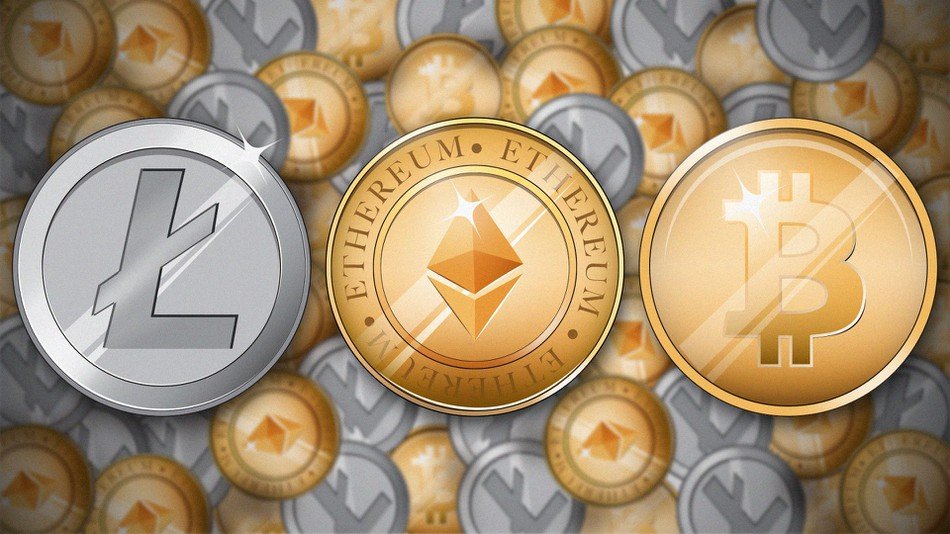
Welcome to this week’s Crypto Market Weekly Outlook, post #445, where we provide a comprehensive analysis of the latest developments and price movements across major cryptocurrencies. Stay ahead of the market trends with our expert insights on what to watch for in the coming days. This week, we continue to leverage our proprietary trading algorithm, designed to enhance your trading strategies and increase the odds of capturing significant gains in the volatile crypto mark
Cryptocurrency Market
Bitcoin (BTC): Approximately $65,187, recovering above the important $65,000 level after spending much of the week near $63,000–$65,000.
Ethereum (ETH): Approximately $1,625, remaining considerably weaker than Bitcoin and still struggling to establish sustained upside momentum.
Solana (SOL): Approximately $77.97, stabilizing after recent weakness but remaining below its July trading range.
XRP: Approximately $1.059, continuing to consolidate near major technical support.
BNB: Approximately $610.03, continuing to demonstrate the strongest relative performance among several major altcoins.
Cardano (ADA): Approximately $0.197, recovering modestly but remaining highly sensitive to overall altcoin liquidity.
Dogecoin (DOGE): Approximately $0.0703, remaining subdued as retail speculation and memecoin activity stayed limited.
Bitcoin strengthened during the week as improved institutional sentiment and lower Treasury yields helped risk assets. However, broader cryptocurrency participation remained limited. Ethereum, Solana, XRP, Cardano, and Dogecoin continued to lag Bitcoin significantly, leaving the market concentrated in the largest and most liquid digital assets.
Key Market Drivers
- Weak U.S. employment data improved the macro backdrop for crypto. The unexpectedly soft July jobs report reduced expectations for another Federal Reserve rate increase and helped push Treasury yields lower.
- Bitcoin reclaimed $65,000. The move is technically constructive after Bitcoin repeatedly defended the $62,000–$63,000 support area during recent weeks.
- Institutional demand remained more resilient than retail demand. Spot ETF participation continued supporting Bitcoin even as U.S. retail cryptocurrency interest remained relatively subdued.
- The CLARITY Act became the dominant regulatory story. Senate leadership advanced the procedural process for the legislation, setting up another potential vote after lawmakers return from the August recess.
- The Senate delay created uncertainty. Although the bill remains alive, failure to complete a vote before the August recess reduced the probability that comprehensive market-structure legislation will become law this year.
- Lower Treasury yields helped digital assets. Reduced expectations for Federal Reserve tightening improved conditions for long-duration and risk-sensitive assets, including Bitcoin.
- Altcoin liquidity remained concentrated. Investors continued favoring Bitcoin, BNB, and selected institutional infrastructure projects rather than broadly rotating into smaller tokens.
- Tokenization remained the strongest institutional blockchain theme. Banks, exchanges, asset managers, and market-infrastructure companies increasingly focused on blockchain-based securities, cash products, and settlement systems.
Emerging Crypto Projects & Ecosystem News
- The CLARITY Act advanced procedurally in the Senate. Senate leadership initiated steps toward a vote after the August recess. The legislation seeks to establish clearer boundaries between SEC and CFTC oversight and define when digital assets should be treated as securities or commodities.
- September could become an important regulatory catalyst. The Senate is expected to revisit the CLARITY Act after returning from recess. Passage would represent one of the largest structural changes to U.S. crypto regulation since the introduction of spot Bitcoin ETFs.
- Wall Street continued accelerating blockchain adoption. Major financial institutions increasingly view tokenization as a practical method for improving settlement speed, lowering transaction costs, and allowing financial assets to operate outside conventional market hours.
- JPMorgan, Ondo, and Chainlink continued developing cross-chain settlement infrastructure. Institutional projects involving delivery-versus-payment settlement demonstrate how tokenized financial assets could move between blockchain networks and traditional banking systems.
- Tokenized money-market funds continued expanding. Asset managers increasingly see tokenized cash and Treasury products as an early institutional use case because they combine traditional yield with blockchain settlement.
- Stablecoins remained central to institutional adoption. Banks and payment companies continued developing regulated stablecoin payment, custody, treasury-management, and settlement products.
- Tokenized U.S. equities remained an emerging market. Blockchain-based versions of stocks are attracting interest because they potentially allow longer trading hours, faster settlement, fractional ownership, and integration with programmable financial applications.
- Real-world asset tokenization continued expanding. Treasury securities, private credit, money-market funds, commodities, equities, and other traditional financial instruments increasingly moved toward blockchain-based issuance and settlement.
- Chainlink continued emphasizing institutional tokenization. Cross-chain interoperability, pricing data, proof-of-reserves, and settlement infrastructure are becoming increasingly important as traditional financial institutions move assets onto blockchain networks.
The strongest development themes remain institutional tokenization, stablecoins, blockchain settlement, custody, interoperability, and regulated financial infrastructure rather than speculative token launches.
Market Sentiment & Outlook
Short-Term Sentiment: Neutral to moderately bullish.
Bitcoin reclaiming $65,000 improves the short-term technical picture, and the weaker U.S. employment report reduces one important macroeconomic headwind. However, the lack of participation from Ethereum and the broader altcoin market argues against calling this a full crypto bull-market expansion.
Support and Resistance Levels
Bitcoin (BTC):
Support: $63,500–$64,000
Resistance: $66,000–$68,000
A sustained move above $68,000 would materially improve momentum and could open a move toward the low-$70,000 area. A break back below $63,000 would weaken the current recovery.
Ethereum (ETH):
Support: $1,575–$1,600
Resistance: $1,700–$1,750
Ethereum continues to require a sustained recovery above $1,750 before its relative weakness begins to reverse.
Solana (SOL):
Support: $74–$76
Resistance: $82–$85
Solana remains a higher-beta asset and will likely require stronger overall altcoin liquidity before beginning a durable breakout.
XRP:
Support: $1.02–$1.05
Resistance: $1.10–$1.15
XRP remains close to an important support zone. A move above $1.15 would substantially improve its short-term technical position.
BNB:
Support: $585–$595
Resistance: $620–$635
BNB currently has one of the stronger technical structures among the major altcoins.
GARCH Volatility Outlook — 90 Days
Volatility remains elevated but has moderated for Bitcoin. Altcoin volatility remains considerably higher.
Bitcoin: Expected trading range $58,000–$74,000, with the balance improving modestly toward the upside following the recovery above $65,000.
Ethereum: Expected range $1,350–$2,050, reflecting continued weakness and greater downside volatility.
Solana: Expected range $62–$100, reflecting its higher-beta relationship with the broader crypto market.
XRP: Expected range $0.88–$1.30, with regulatory and institutional developments remaining important catalysts.
BNB: Expected range $520–$690, supported by comparatively strong recent relative performance.
Cardano: Expected range $0.14–$0.26, with substantial percentage volatility likely to continue.
Dogecoin: Expected range $0.050–$0.095, remaining heavily dependent on retail risk appetite.
These are volatility-based ranges rather than directional price targets.
Long-Term View
The long-term structural case for digital assets continues to become more institutional even while individual cryptocurrency prices remain volatile.
- Bitcoin continues developing as the primary institutional digital reserve asset.
- Stablecoins are becoming integrated into payment and treasury-management infrastructure.
- Tokenized Treasury securities and money-market products are emerging as practical institutional blockchain applications.
- Traditional equities and bonds are beginning to migrate toward tokenized settlement.
- Ethereum remains strategically important because of its role in stablecoins, DeFi, and tokenized assets despite its weak recent price performance.
- Interoperability infrastructure such as Chainlink is becoming increasingly important as financial institutions operate across multiple blockchain networks.
- Regulated custody and compliance infrastructure remain essential for broader institutional adoption.
- Comprehensive U.S. market-structure legislation could significantly accelerate institutional participation if Congress ultimately reaches an agreement.
GARCH Volatility Outlook — 90 Days
Volatility remains elevated, particularly for Ethereum and the major altcoins. These ranges represent model-based volatility estimates rather than specific price targets.
Bitcoin: Expected range $56,000–$71,000, with the market likely to remain highly sensitive to ETF flows, Treasury yields, and Federal Reserve policy.
Ethereum: Expected range $1,350–$2,050, reflecting the recent sharp increase in downside volatility.
Solana: Expected range $62–$98, with significant sensitivity to broader altcoin liquidity and ecosystem activity.
XRP: Expected range $0.88–$1.30, influenced by the ledger upgrade, institutional adoption, and overall market sentiment.
BNB: Expected range $500–$670, with relative support from the size and activity of the BNB Chain ecosystem.
Cardano: Expected range $0.14–$0.25, reflecting weak momentum and elevated percentage volatility.
Dogecoin: Expected range $0.052–$0.092, with performance likely to remain dependent on retail speculation and overall risk appetite.
Long-Term View
The long-term institutional development of digital assets remains constructive despite weak short-term prices.
- Bitcoin remains the primary institutional reserve asset within the cryptocurrency market.
- Stablecoins continue developing into payment and settlement infrastructure.
- Tokenized equities and real-world assets are moving toward broader adoption.
- Ethereum remains central to institutional tokenization despite current price weakness.
- Regulated custody, compliance, reserve management, and security infrastructure remain important investment areas.
- Blockchain-based settlement is becoming more integrated with traditional financial markets.
- Security incidents continue demonstrating the importance of wallet diversification, custody controls, and operational risk management.
The industry continues transitioning from speculative token issuance toward regulated financial infrastructure, tokenized assets, payments, and institutional blockchain applications.
GARCH Volatility Outlook (90-Day)
Market volatility has moderated compared with earlier this year, although macroeconomic events and Federal Reserve policy continue to influence digital asset prices.
Bitcoin: Expected trading range $61,000-$72,000 with an upward bias if institutional ETF inflows remain positive.
Ethereum: Expected range $1,850-$2,250, supported by expanding institutional adoption and continued tokenization initiatives.
Solana: Expected range $80-$100, reflecting continued ecosystem growth but higher relative volatility.
XRP: Expected range $1.08-$1.30, driven primarily by institutional payment adoption and broader market sentiment.
Overall volatility should remain manageable unless major geopolitical events or significant changes in monetary policy alter investor risk appetite.
Long-Term View
Several structural trends continue strengthening the long-term investment case for digital assets:
- Institutional ownership continues expanding through regulated ETFs and corporate treasury investments.
- Stablecoins are becoming integrated into mainstream banking, payments, and settlement systems.
- Tokenization of Treasury securities, private credit, money-market funds, and other real-world assets continues accelerating.
- Custody, compliance, reserve management, and blockchain infrastructure remain the largest areas of institutional investment.
- Bitcoin continues serving as the primary institutional reserve digital asset, while Ethereum increasingly functions as the foundational platform for tokenized finance.
Rather than speculative token issuance, institutional capital continues flowing toward blockchain infrastructure that supports regulated financial markets.
GARCH (Generalized Autoregressive Conditional Heteroskedasticity) volatility model
The following charts present 6-month historical price trends for the top eight cryptocurrencies (BTC, ETH, SOL, LINK, XRP, BNB, ADA, and DOGE), using the GARCH (Generalized Autoregressive Conditional Heteroskedasticity) volatility model, which is commonly used in financial markets to capture the clustering nature of volatility—periods of high volatility tend to follow high volatility, and calm periods tend to persist. Using recent return data, the model projects expected volatility levels and translates them into forecast price bands with midpoint targets and potential highs under strong momentum scenarios. This is trial for the next 4 weeks and will be enhanced.
Bitcoin (BTC)
Expected Daily Volatility: ±2.5–4.5%
90-Day Consolidation Range:
$60,000 – $78,000
Midpoint Target: ~$69,000
Momentum Upside Scenario:
$85,000–$90,000 if ETF inflows re-accelerate and macro risk stabilizes.
Risk Case:
Break below $60K opens downside toward ~$54K.
Ethereum (ETH)
Expected Daily Volatility: ±3–5%
90-Day Consolidation Range:
$1,750 – $2,300
Midpoint Target: ~$2,050
Momentum Upside Scenario:
$2,500–$2,700 if staking demand and L2 activity expand.
Risk Case:
Sustained trade below $1,750 exposes $1,600.
Solana (SOL)
Expected Daily Volatility: ±4–6%
90-Day Consolidation Range:
$72 – $105
Midpoint Target: ~$90
Momentum Upside Scenario:
$120–$135 if high-beta rotation returns.
Risk Case:
Loss of $72 support targets mid-$60s.
Chainlink (LINK)
Expected Daily Volatility: ±4–7%
90-Day Consolidation Range:
$7.50 – $11.00
Midpoint Target: ~$9.25
Momentum Upside Scenario:
$12–$14 on renewed oracle/RWA demand.
Risk Case:
Break below $7.50 shifts bias negative.
XRP (XRP)
Expected Daily Volatility: ±4–6%
90-Day Consolidation Range:
$1.20 – $1.65
Midpoint Target: ~$1.45
Momentum Upside Scenario:
$1.85–$2.10 on ETF/legal tailwinds.
Risk Case:
Below $1.20 reopens sub-$1.00 territory.
BNB (BNB)
Expected Daily Volatility: ±2.5–4.5%
90-Day Consolidation Range:
$560 – $700
Midpoint Target: ~$640
Momentum Upside Scenario:
$760–$820 if exchange volumes surge.
Risk Case:
Break under $560 weakens structure.
Cardano (ADA)
Expected Daily Volatility: ±4–7%
90-Day Consolidation Range:
$0.24 – $0.34
Midpoint Target: ~$0.29
Momentum Upside Scenario:
$0.38–$0.42 if alt-season resumes.
Risk Case:
Loss of $0.24 exposes $0.20.
Dogecoin (DOGE)
Expected Daily Volatility: ±5–8%
90-Day Consolidation Range:
$0.075 – $0.115
Midpoint Target: ~$0.095
Momentum Upside Scenario:
$0.13–$0.15 on retail/meme rotation.
Risk Case:
Below $0.075 shifts to bearish structure.
Advanced Blockchain Investments
The previous post have included Advanced Blockchain Investments. The blockchain space has rapidly evolved beyond simple cryptocurrency trading, offering investors various innovative ways to maximize returns.
 09th Aug 2026